Work sites & industrial hubs
Port of Luanda: Access, Commutes and Where Port Teams Stay
The country's main commercial port sits in the middle of the city - convenient for a central base, demanding for anyone who has to move around it.
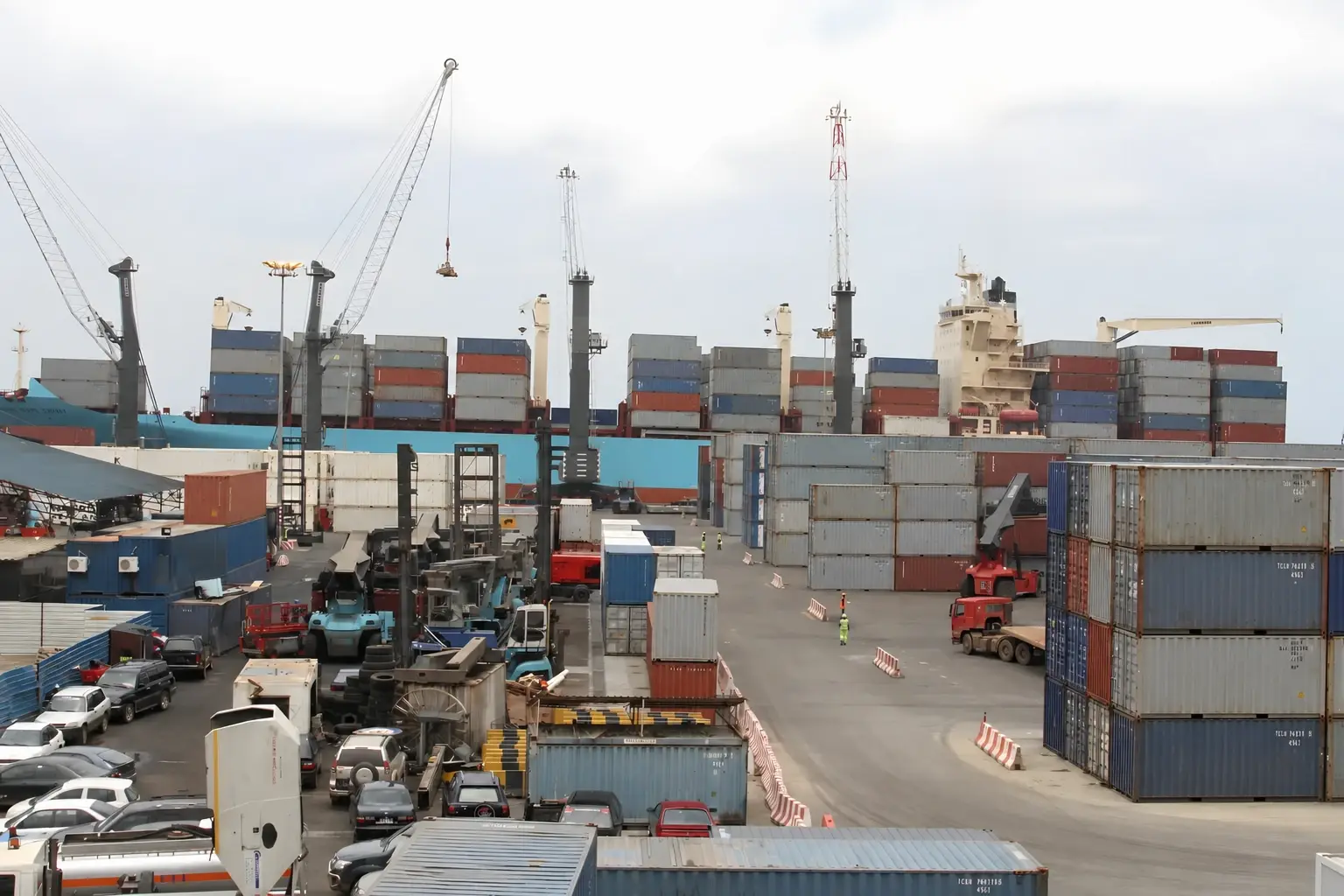
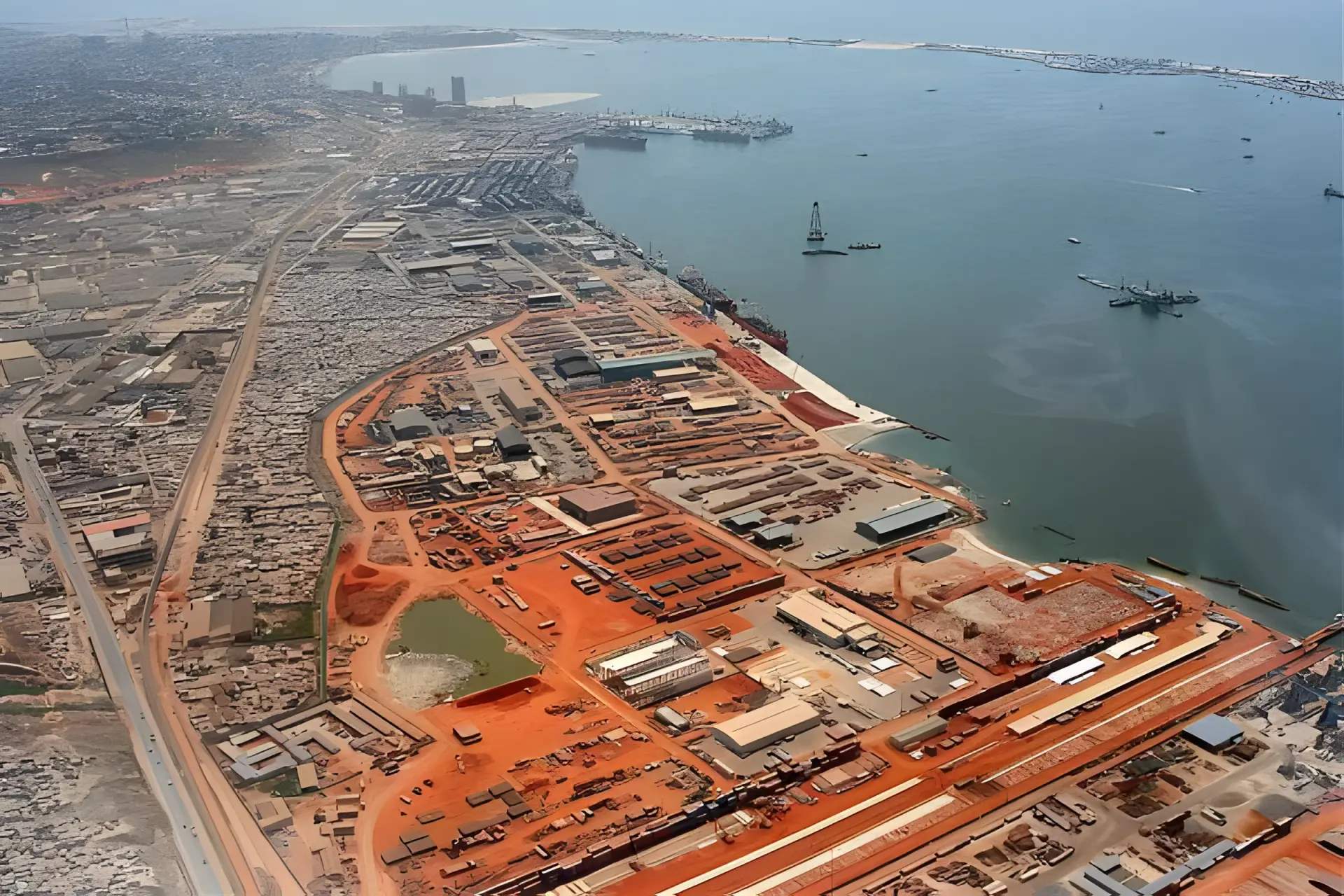
The Port of Luanda occupies the inner curve of Luanda Bay, directly against the city centre, with container and multipurpose terminals, the SONILS logistics base and a dense belt of freight traffic on the roads that feed them. Shipping lines, freight forwarders, customs agents, surveyors and vessel crews all end up working here at some point, and their accommodation question is the same: stay close enough to reach the terminals early, without being trapped in the port's own traffic.
How the port sits in the city
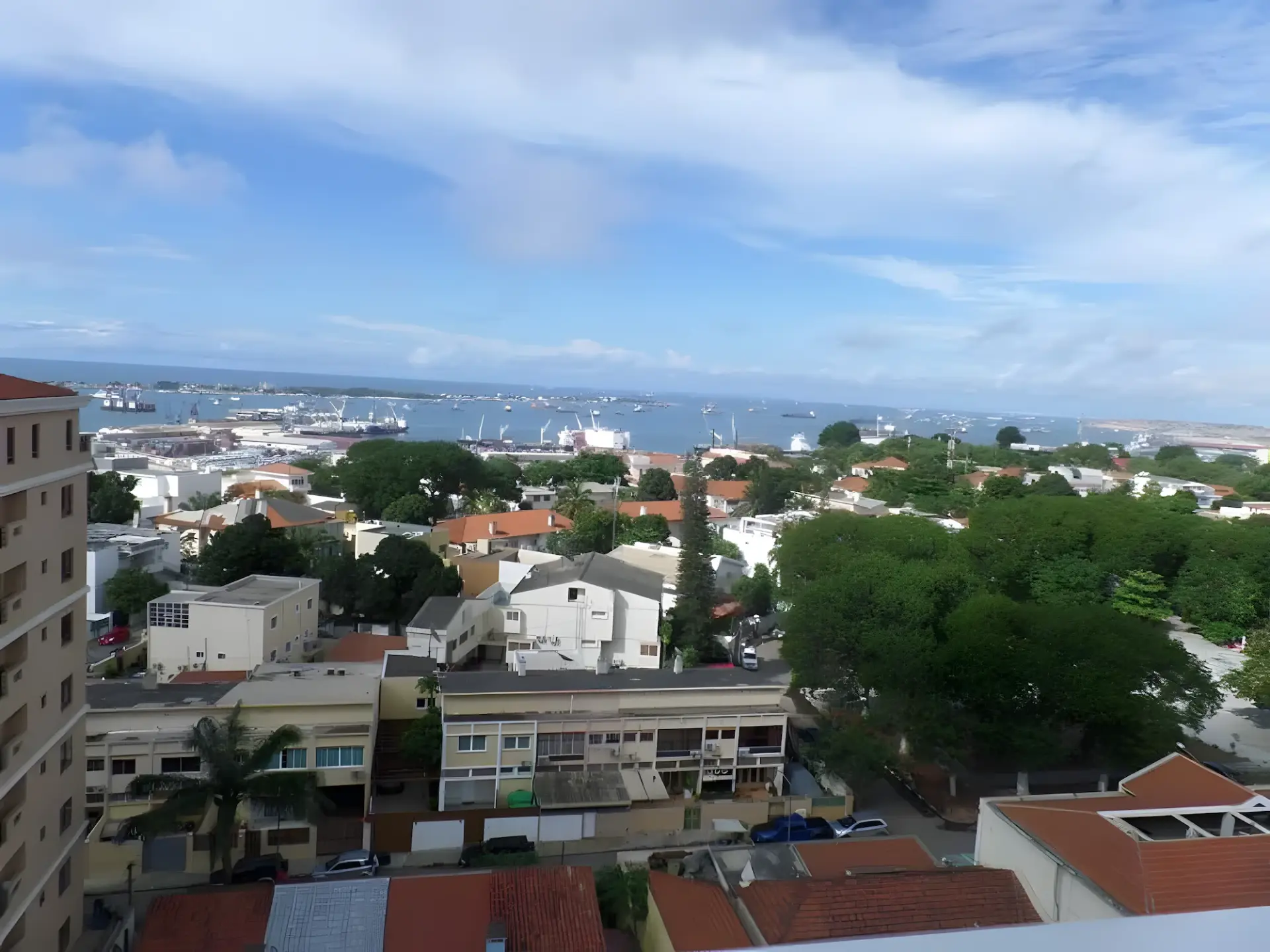
The port runs along the northern side of the bay, with the Marginal and the business district immediately to the south and the older residential neighbourhoods of Ingombota, Baleizão and Miramar rising behind it. Because it is so central, it can be reached from most of the city's older districts in a reasonably short drive outside peak hours. The difficulty is the peak itself: freight, port workers and downtown commuters share the same approach roads, and a short distance can turn into a long, stationary one.
Bases that work for port days
Fortaleza's houses in Ingombota, Baleizão and Miramar are the natural choices for port work, because they keep the journey on the port side of the city and avoid the cross-town corridors from Talatona or the airport road. Each property page shows an approximate drive time to SONILS, which is a fair proxy for the port as a whole. For a longer assignment, prioritise the house whose driver can reach the terminals before the morning build-up and collect you after it clears.
Working days that are not all on the quay
Port work rarely stays inside the fence. Customs, shipping agents, banks, ministries and the head offices of many operators are in the city centre and along the Marginal, all within a short run of a central base. Group those errands by area and time of day, and ask the residence for somewhere to take calls or handle paperwork between visits. A central house with a proper desk and reliable internet often saves more hours than a slightly shorter drive would.
Security and routine around the port
The port area is busy and industrial rather than dangerous, but it follows the same rules as the rest of the city: use pre-arranged cars, avoid walking between locations after dark, keep documents and devices out of view, and do not photograph gates, vessels or installations without permission. Vessel crews joining or leaving ships should have a named contact and a confirmed collection point. Check the current official travel advice before the assignment and brief the whole team on it once.