Practical Luanda
Getting Around Luanda: Drivers, Traffic Windows and Site Access
The ground rules that keep a working team moving - pre-arranged cars, realistic traffic windows and the paperwork gates expect.
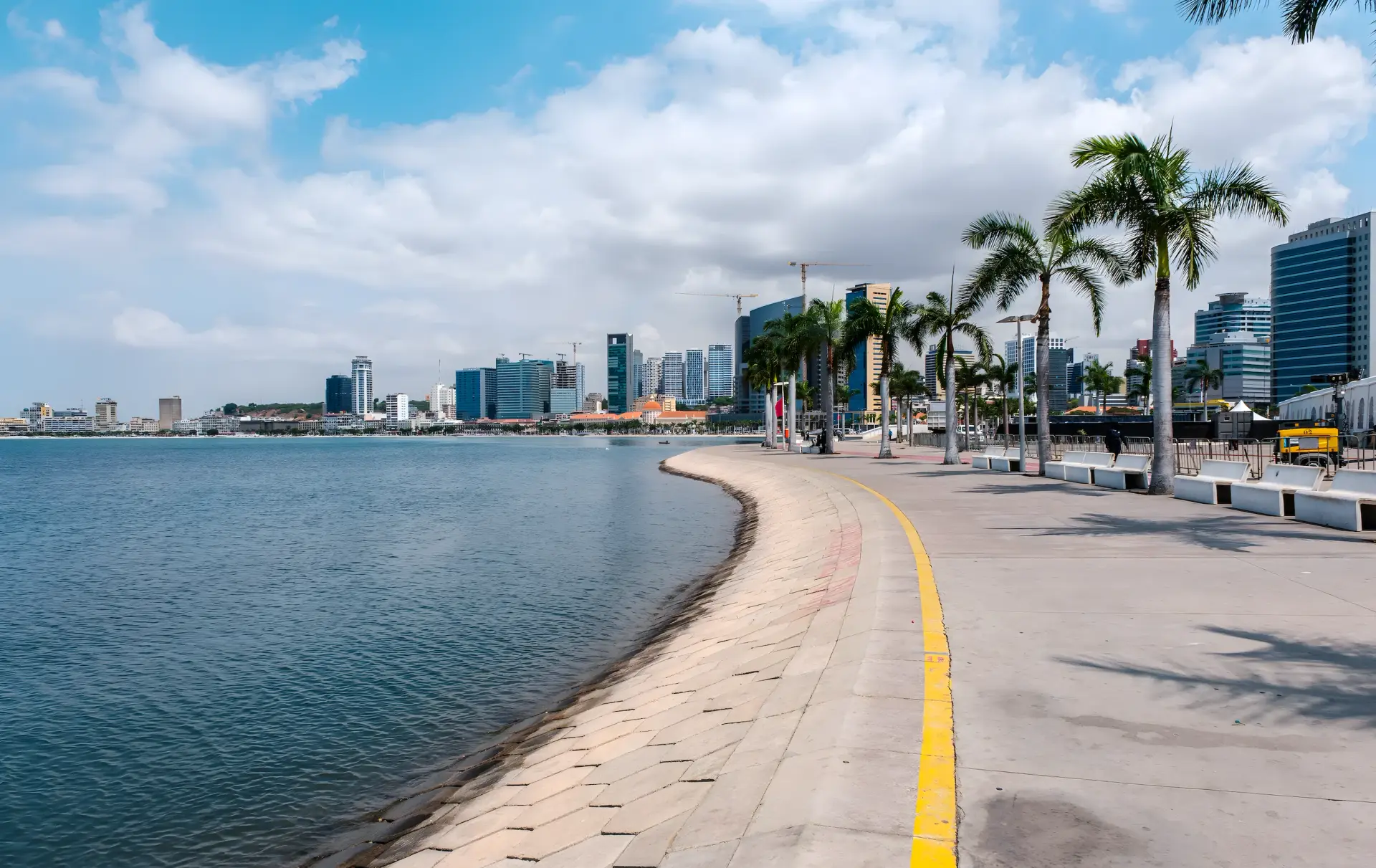
Luanda is a car city, and for a corporate team the car is not a convenience but part of the operating plan. Distances are moderate; time is not. The same journey can take fifteen minutes or over an hour depending on the hour, the day and what is happening on the road. This guide sets out the practical rules Fortaleza's coordinators apply when they move teams between residences, offices, the port and the airport.
Work with the traffic, not against it
Morning traffic builds from early and stays heavy into mid-morning; the evening peak runs from late afternoon well into the evening. Site shifts that start before the morning build-up are one reason many crews leave their residences early. Plan meetings across town for the middle of the day when you can, and avoid scheduling a cross-city journey to start in the peak. Weather matters too: heavy rain in the wet season can stop parts of the city for hours.
Named drivers and fixed collection points
A named driver who knows your pick-up point, your site gate and your shift is worth more than any app. Agree the collection point at the residence, the drop point at the site and the return time, then keep changes to one channel - usually the residence coordinator. For a rotating crew, a scheduled shuttle on one timetable is simpler than several cars. Fortaleza runs daily staff transport and crew shuttles for the teams it houses and for corporate clients who stay elsewhere.
Site access and paperwork
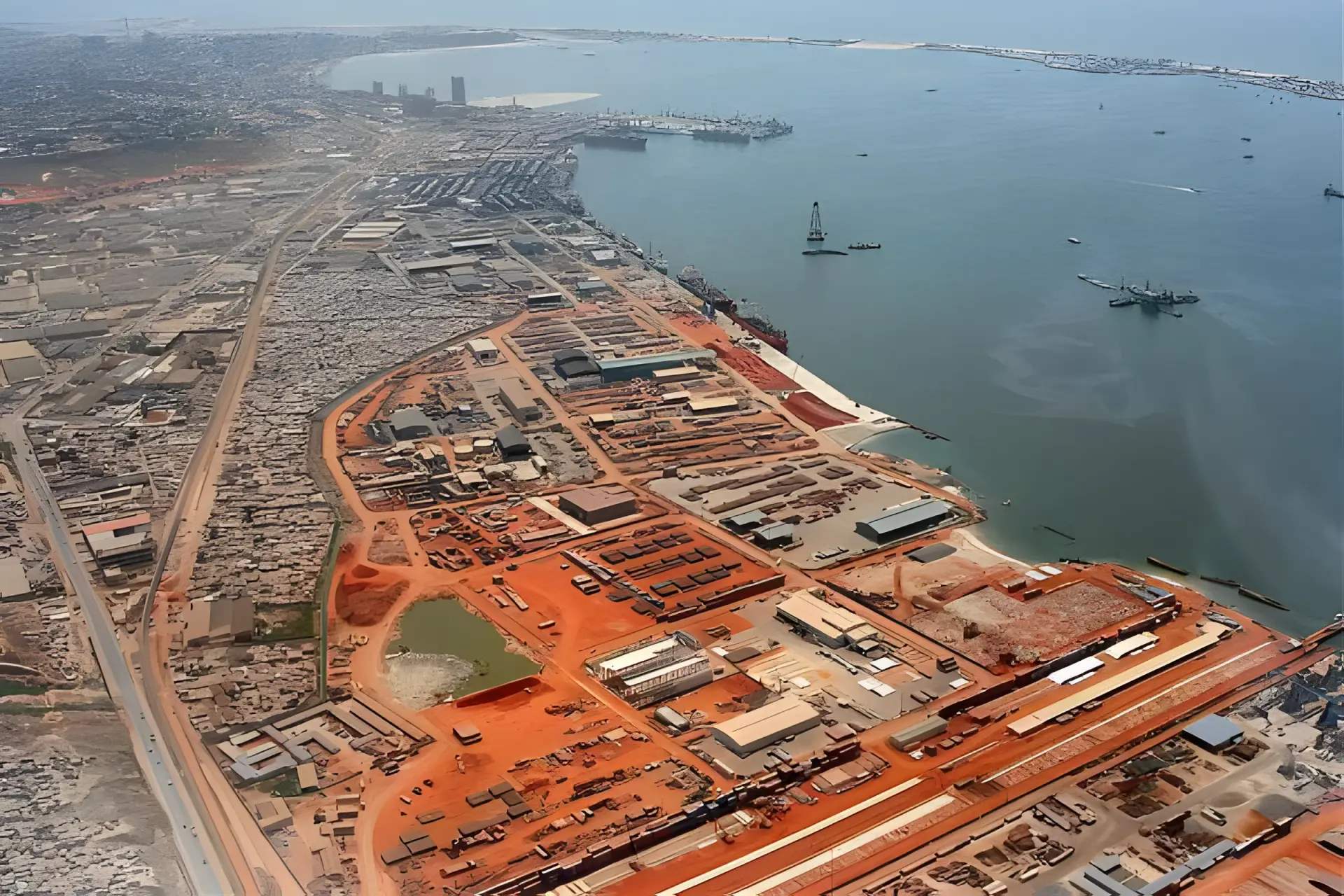
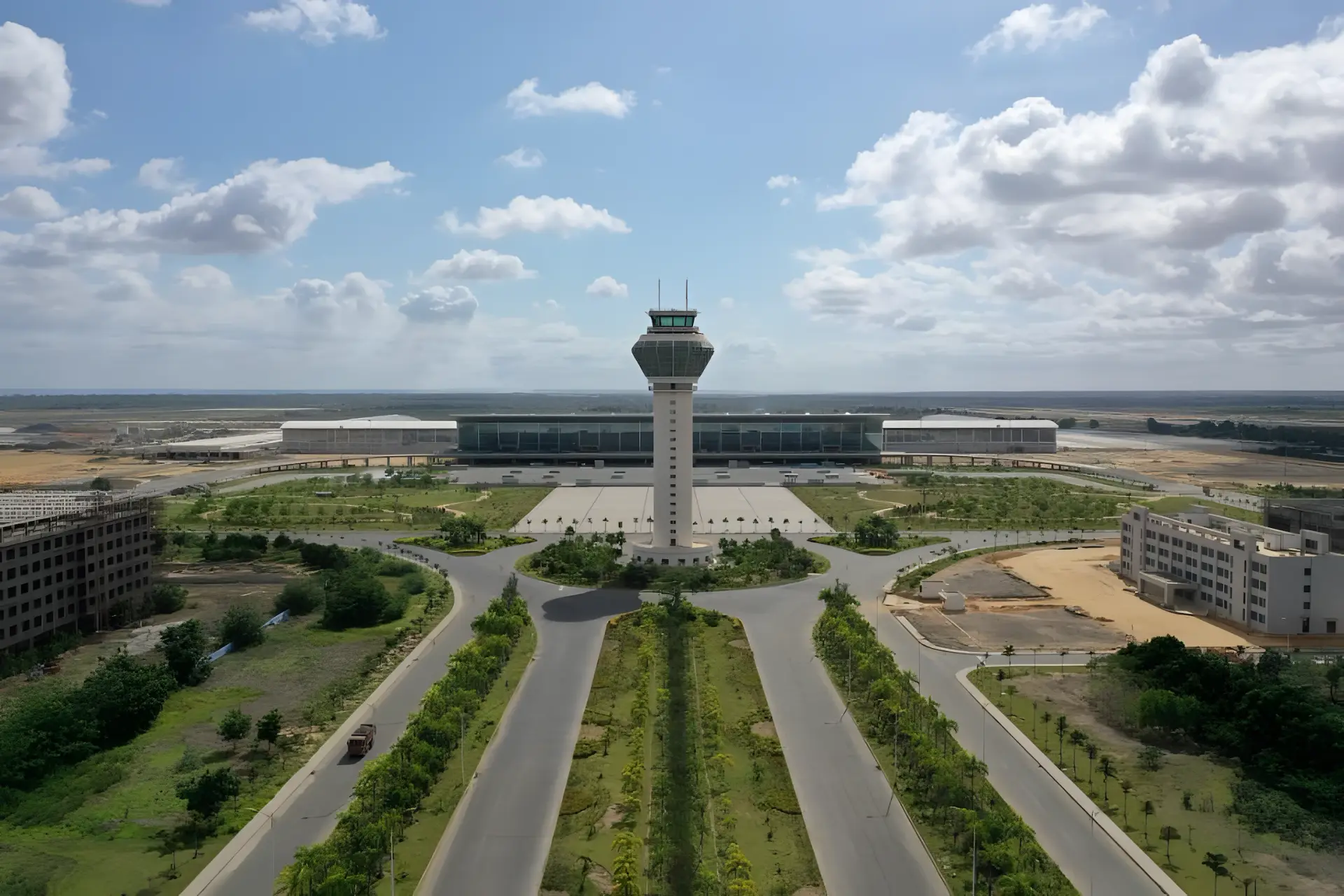
Industrial sites, the port, SONILS and the airport all expect identification at the gate, and some expect the vehicle and driver to be on an access list too. Carry your passport or ID and any site badge every day, and keep copies of the documents somewhere secure. Do not photograph gates, installations, government buildings or security personnel. If a driver is not cleared to enter a site, agree a drop point and a collection point outside it before the first day.
Vehicles, roads and standby
Executive sedans suit airport transfers and meetings in the centre; higher-clearance SUVs are better for the outer industrial zones and rougher approach roads; minibuses move a whole shift together. Ask that vehicles are serviced, air-conditioned and fitted with seatbelts for every passenger. Where the contract provides for it, a driver on standby around the clock covers late arrivals, early departures and the unplanned call-out. Decide these things with your coordinator before the assignment starts, not on the night they are needed.