Practical Luanda
Worker Safety in Luanda: Briefings, Journeys and the Working Day
The duty of care does not stop at the site gate - the arrival briefing, journey management, heat and health, and the residence routine that keeps a crew safe on assignment.

Most of the risk a working team faces in Angola sits outside the fenced site, where the operator's HSE rules already apply. It is in the journey to and from the gate, in the first days before people know the city, in the heat, and in the small health decisions made before departure. This guide sets out how Fortaleza's coordinators approach the safety of the crews they house and move, and what a project or HSE manager should settle before the assignment starts. It complements your company's own policy and the site's rules; it does not replace them.
The arrival briefing
Give the briefing on the first evening, not on the first morning at the gate. It should cover what to carry every day (passport or ID and site badge, with copies held securely), the transport rule (pre-arranged cars with a known driver only, no unlicensed taxis, no walking between locations after dark), what not to photograph (gates, installations, government buildings and security personnel), how to keep phones and valuables discreet, and who to call. Print the emergency contacts - coordinator, driver, company security, the clinic the company uses - and put them on the residence noticeboard and in every phone. Repeat the briefing for every rotation, including people who have been to Luanda before.
Journey management is the biggest single control
For a site crew the road is the most dangerous part of the day, and it is also the part that is easiest to control. Serviced vehicles with a seatbelt for every seat, drivers who know the route and the gate, and no night driving without a specific reason cover most of it. Add a simple check-in: the driver or team lead confirms arrival at the site and again at the residence, and the coordinator knows the headcount in each vehicle. In the wet season, roads flood quickly and journey times stretch; build that into the shift plan rather than asking drivers to make up time. Fortaleza's daily staff transport runs on this basis for the teams it houses.
On site: the operator's rules, then heat
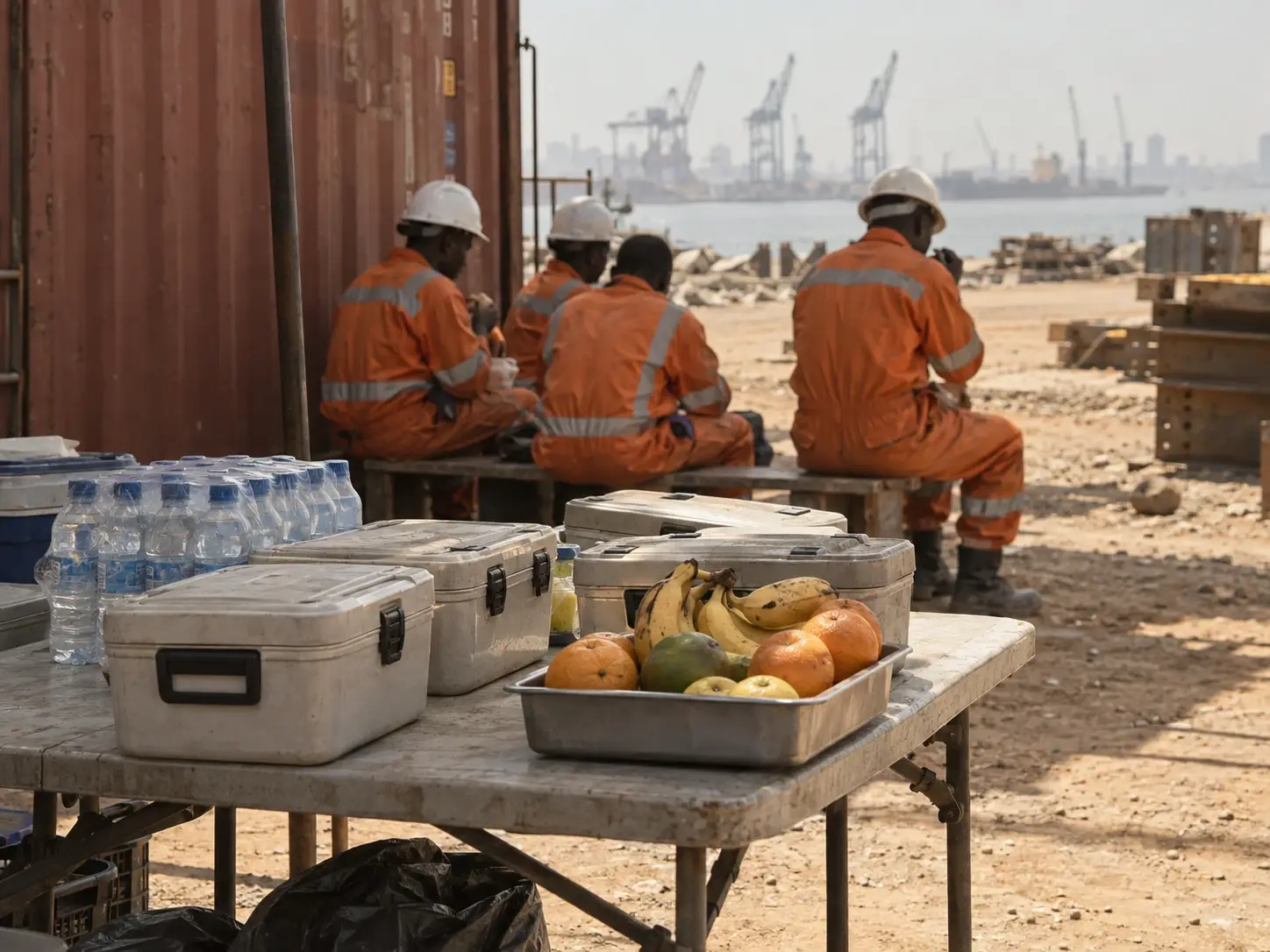
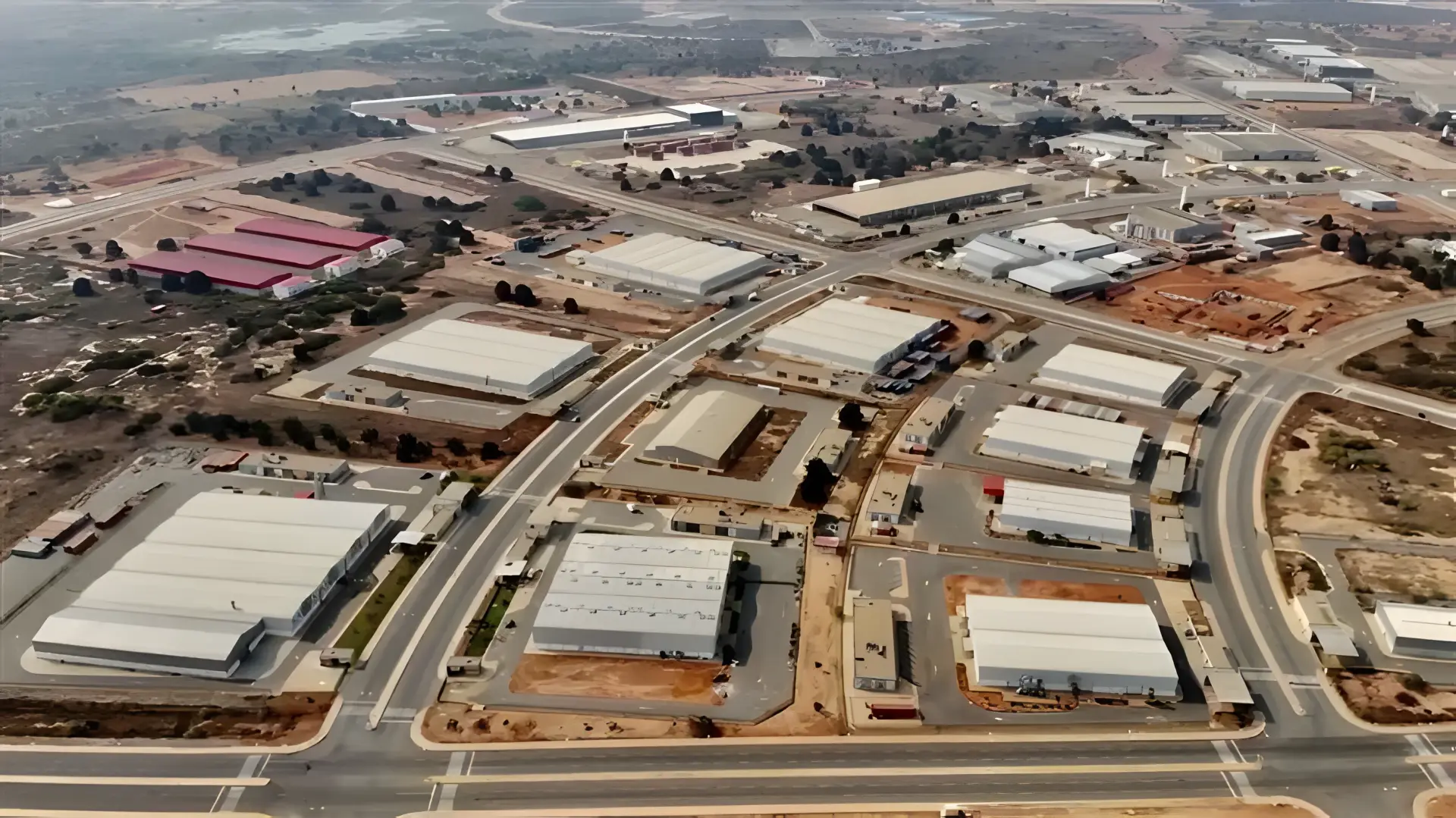
Inside SONILS, the port, the airport or an industrial estate, the site induction, permit system and PPE rules take precedence over anything a residence can arrange - make sure every arrival completes the operator's induction before their first shift and carries the badge it produces. The added risk on Luanda's sites is heat. Plan shaded rest, fixed drink breaks and lighter tasks in the early afternoon, and make water part of the delivery to site rather than something people find for themselves. Fatigue is the other constant: a rotation with long shifts and early departures needs a rest-day pattern that is kept, not one that gets traded away in the last week.
Health before, during and after
Angola requires proof of yellow fever vaccination for entry, and malaria is present all year, so pre-travel medical advice, prophylaxis where prescribed, repellent and air-conditioned or netted rooms are part of the crew plan, not personal choices. Confirm medical and evacuation cover for every person before departure, identify the clinic the company will use in Luanda and make sure the coordinator and the team lead know where it is. Keep a first-aid kit at the residence and in each vehicle, and treat stomach upsets as an early warning to check food and water handling rather than as a private matter. Official health advice for Angola is linked below and is worth reading in full.
The residence as part of the safety system
A secure residence is a control in its own right: controlled entry with security on the door, generator backup so a power cut does not mean a dark compound, water storage and a coordinator who knows who is in the building. Use it as the anchor for the routine - one collection point, one return time, one channel for changes - so that an incident on the road or at the site has a known starting point. Agree the escalation chain in writing before the crew arrives: who the team lead calls, who the coordinator calls, and at what point company security or the client's HSE lead is brought in. The best safety outcome on an assignment is a routine so predictable that nobody has to improvise.